6.240,00 ₺
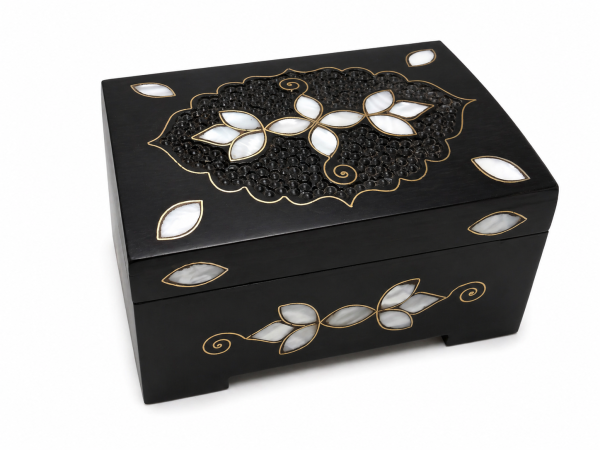
Wooden Box with Nacre Embroidery
Wooden Box with Nacre Embroidery
6.240,00 ₺
447,17 ₺
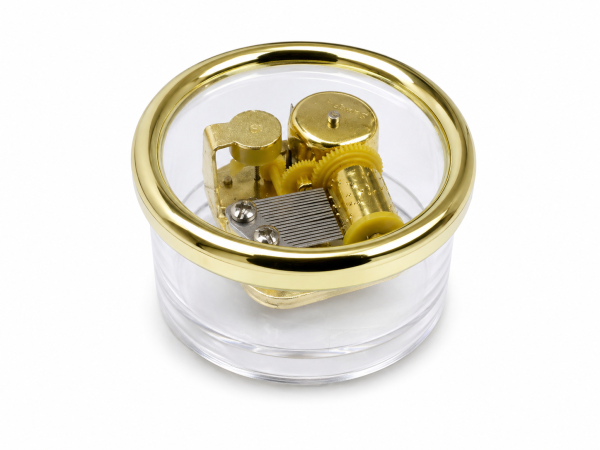
Round Transparent Box - Gold Color
Round Transparent Box - Gold Color
447,17 ₺



2,40 ₺
Cartoon Packing
Cartoon Packing
2,40 ₺
General paper packing with Mechawork logo
General paper packing with Mechawork logo
General paper packing with Mechawork logo
427,28 ₺
Kalinka
Kalinka
Ivan Larionov
PlayPause
★
427,28 ₺
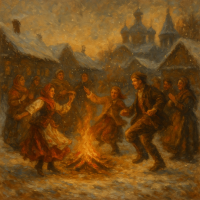
Kalinka is a lively Russian folk song composed by Ivan Larionov in 1860. Its upbeat tempo and catchy refrain celebrate the snowberry (“kalinka”) and the joy of summer, inspiring dancers and listeners alike with its playful melody and spirited rhythm.
Kalinka is a lively Russian folk song composed by Ivan Larionov in 1860. Its upbeat tempo and catchy refrain celebrate the snowberry (“kalinka”) and the joy of summer, inspiring dancers and listeners alike with its playful melody and spirited rhythm.
Kalinka is a lively Russian folk song composed by Ivan Larionov in 1860. Its upbeat tempo and catchy refrain celebrate the snowberry (“kalinka”) and the joy of summer, inspiring dancers and listeners alike with its playful melody and spirited rhythm.
Ivan Larionov
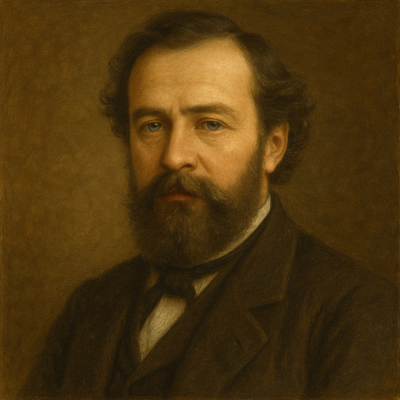
Ivan Larionov (1830–1889) was a Russian composer, folklorist, and writer best known for composing the famous folk-style song Kalinka in 1860. Though a trained nobleman and writer, his legacy lives on mainly through this globally recognized and energetic Russian melody.

427,28 ₺
Auld Lang Syne
Auld Lang Syne
Robert Burns
PlayPause
427,28 ₺
Auld Lang Syne is a traditional Scottish poem by Robert Burns (1788) set to music. It celebrates old friendships and memories as the new year begins, inviting everyone to reflect on and cherish shared times past and present.
Auld Lang Syne is a traditional Scottish poem by Robert Burns (1788) set to music. It celebrates old friendships and memories as the new year begins, inviting everyone to reflect on and cherish shared times past and present.
Auld Lang Syne is a traditional Scottish poem by Robert Burns (1788) set to music. It celebrates old friendships and memories as the new year begins, inviting everyone to reflect on and cherish shared times past and present.
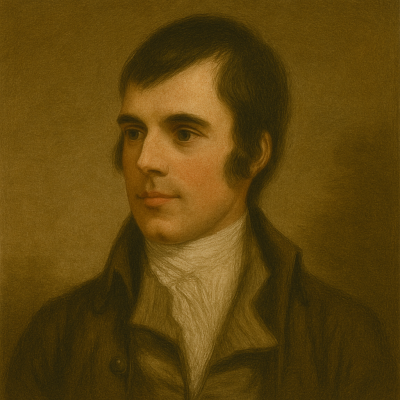
Robert Burns
Robert Burns (1759–1796) was a Scottish poet and lyricist, widely regarded as the national poet of Scotland. He is best known for writing Auld Lang Syne, traditionally sung at New Year. His works in Scots and English celebrate rural life, love, and political commentary.
460,98 ₺
Brahms Lullaby
Brahms Lullaby
Johannes Brahms
PlayPause
460,98 ₺
Brahms Lullaby (Wiegenlied: Guten Abend, gute Nacht) is an 1868 composition by Johannes Brahms. Its tender melody and tranquil harmonies create a soothing lullaby that has comforted infants for generations, embodying warmth and serenity in its gentle rocking rhythm.
Brahms Lullaby (Wiegenlied: Guten Abend, gute Nacht) is an 1868 composition by Johannes Brahms. Its tender melody and tranquil harmonies create a soothing lullaby that has comforted infants for generations, embodying warmth and serenity in its gentle rocking rhythm.
Brahms Lullaby (Wiegenlied: Guten Abend, gute Nacht) is an 1868 composition by Johannes Brahms. Its tender melody and tranquil harmonies create a soothing lullaby that has comforted infants for generations, embodying warmth and serenity in its gentle rocking rhythm.
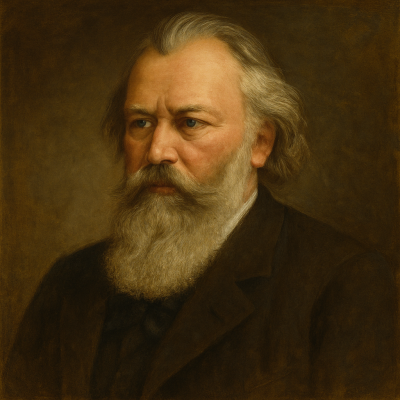
Johannes Brahms
Johannes Brahms (1833–1897) was a German composer and pianist of the Romantic era. He is known for his Hungarian Dances, A German Requiem, and Symphony No. 1. Blending classical structure with deep emotion, he is considered one of the “Three Bs” alongside Bach and Beethoven.

427,28 ₺
La Cucaracha
La Cucaracha
Anonymous
PlayPause
427,28 ₺
La Cucaracha is a traditional Mexican folk song with uncertain origins, popularized during the Mexican Revolution (1910–1920). Its catchy, repetitive melody and witty lyrics about a cockroach’s misadventures have made it an enduring symbol of Mexican musical culture.
La Cucaracha is a traditional Mexican folk song with uncertain origins, popularized during the Mexican Revolution (1910–1920). Its catchy, repetitive melody and witty lyrics about a cockroach’s misadventures have made it an enduring symbol of Mexican musical culture.
La Cucaracha is a traditional Mexican folk song with uncertain origins, popularized during the Mexican Revolution (1910–1920). Its catchy, repetitive melody and witty lyrics about a cockroach’s misadventures have made it an enduring symbol of Mexican musical culture.
Anonymous
“Anonymous” refers to creators whose names are unknown or not recorded. Many traditional folk songs, stories, and melodies have anonymous origins, passed down orally through generations. These works often reflect cultural values and collective memory rather than individual authorship.

1.020,00 ₺
Manual Mechanism Static Key - Gold
Manual Mechanism Static Key - Gold
1.020,00 ₺
Gold metalic color with rotating ability manuel music mechanism key.
Gold metalic color with rotating ability manuel music mechanism key.
Gold metalic color with rotating ability manuel music mechanism key.

780,00 ₺
Manual Mechanism Static Key - Silver
Manual Mechanism Static Key - Silver
780,00 ₺
Silver metalic color with rotating ability manuel music mechanism key.
Silver metalic color with rotating ability manuel music mechanism key.
Silver metalic color with rotating ability manuel music mechanism key.
780,00 – 1.020,00 ₺
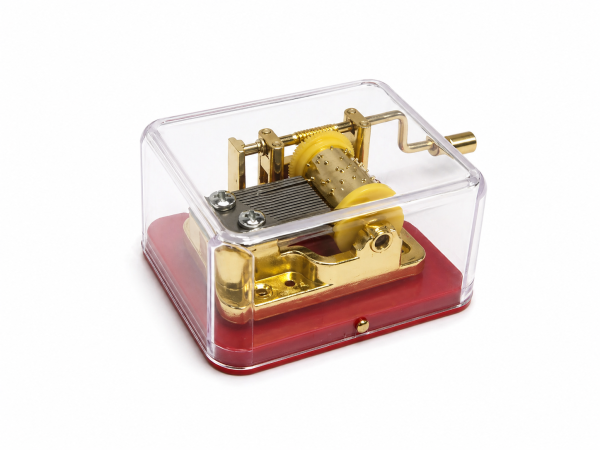
Manual Square Transparent Box - Red Color
Manual Square Transparent Box - Red Color
780,00 – 1.020,00 ₺
Square shaped box
Closed with compression
Easy to see inside
Have red colored plastic bed
Only for manual music mechanisms.
Square shaped box
Closed with compression
Easy to see inside
Have red colored plastic bed
Only for manual music mechanisms.
Square shaped box
Closed with compression
Easy to see inside
Have red colored plastic bed
Only for manual music mechanisms.
1.023,32 ₺
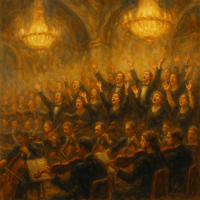
Ode to Joy
Ode to Joy
Ludwig van Beethoven
PlayPause
1.023,32 ₺
Ode to Joy is the choral finale of Beethoven’s Ninth Symphony (1824). Its triumphant melody celebrates unity, freedom, and the brotherhood of humanity, inspiring hope and joy through uplifting harmonies and stirring orchestration.
Ode to Joy is the choral finale of Beethoven’s Ninth Symphony (1824). Its triumphant melody celebrates unity, freedom, and the brotherhood of humanity, inspiring hope and joy through uplifting harmonies and stirring orchestration.
Ode to Joy is the choral finale of Beethoven’s Ninth Symphony (1824). Its triumphant melody celebrates unity, freedom, and the brotherhood of humanity, inspiring hope and joy through uplifting harmonies and stirring orchestration.
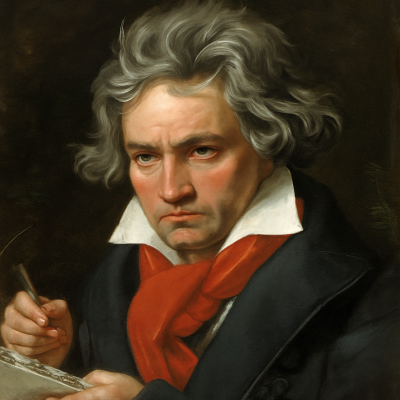
Ludwig van Beethoven
Ludwig van Beethoven (1770–1827), Klasik ve Romantik dönem arasında köprü kuran Alman besteci ve piyanisttir. Sağırlığına rağmen 9. Senfoni (Symphony No. 9), Ay Işığı Sonatı (Moonlight Sonata) ve Für Elise gibi ölümsüz eserler üretmiştir. Müzik tarihinin en etkili isimlerindendir.
460,98 – 1.020,00 ₺
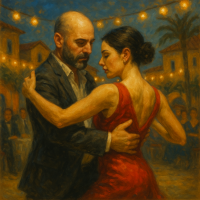
Por una cabeza
Por una cabeza
Carlos Gardel
PlayPause
460,98 – 1.020,00 ₺
Por una cabeza is a passionate Argentine tango composed by Carlos Gardel with lyrics by Alfredo Le Pera, first published in 1935. Its evocative melody likens the thrill of horse racing to the pains of lost love, becoming a tango standard worldwide.
Por una cabeza is a passionate Argentine tango composed by Carlos Gardel with lyrics by Alfredo Le Pera, first published in 1935. Its evocative melody likens the thrill of horse racing to the pains of lost love, becoming a tango standard worldwide.
Por una cabeza is a passionate Argentine tango composed by Carlos Gardel with lyrics by Alfredo Le Pera, first published in 1935. Its evocative melody likens the thrill of horse racing to the pains of lost love, becoming a tango standard worldwide.
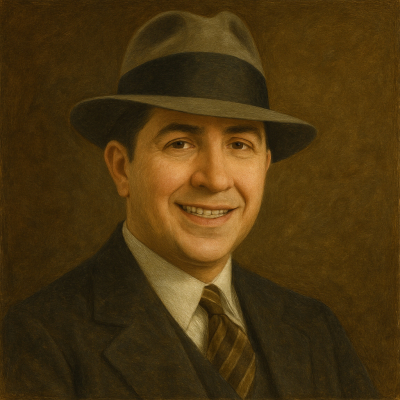
Carlos Gardel
Carlos Gardel (1890–1935) was a French-born Argentine singer, composer, and actor, widely regarded as the most prominent figure in the history of tango. With a smooth baritone voice, he popularized songs like El día que me quieras and Mi Buenos Aires querido. He remains a cultural icon in Latin America.

1.023,32 ₺
Pull-String Music Mechanism
Pull-String Music Mechanism
1.023,32 ₺
Activated by pulling a string. Commonly used in baby products and plush toys. Plays a melody as it slowly unwinds. Safe and quiet in operation.
Activated by pulling a string. Commonly used in baby products and plush toys. Plays a melody as it slowly unwinds. Safe and quiet in operation.
Activated by pulling a string. Commonly used in baby products and plush toys. Plays a melody as it slowly unwinds. Safe and quiet in operation.
427,28 ₺
Ride of the Valkyries
Ride of the Valkyries
Richard Wagner
PlayPause
427,28 ₺
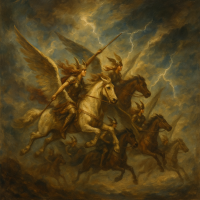
Ride of the Valkyries is the stirring prelude to Act III of Richard Wagner’s 1856 opera Die Walküre. Its bold brass fanfares and sweeping orchestration depict the Valkyries’ triumphant flight, embodying epic power and mythical grandeur.
Ride of the Valkyries is the stirring prelude to Act III of Richard Wagner’s 1856 opera Die Walküre. Its bold brass fanfares and sweeping orchestration depict the Valkyries’ triumphant flight, embodying epic power and mythical grandeur.
Ride of the Valkyries is the stirring prelude to Act III of Richard Wagner’s 1856 opera Die Walküre. Its bold brass fanfares and sweeping orchestration depict the Valkyries’ triumphant flight, embodying epic power and mythical grandeur.
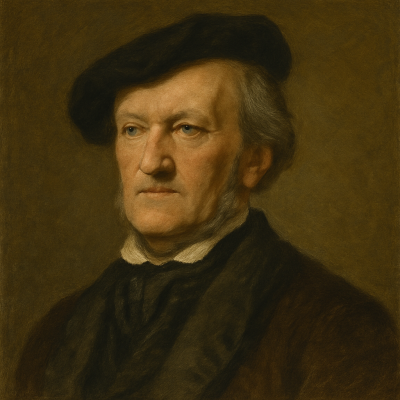
Richard Wagner
Richard Wagner (1813–1883) was a German composer, conductor, and theatre director known for his revolutionary operas. His epic works like The Ring Cycle and Tristan and Isolde transformed opera with rich harmonies and leitmotifs. He built the Bayreuth Festspielhaus for his music.

427,28 ₺
Silent Night
Silent Night
Franz Xaver Gruber
PlayPause
427,28 ₺
Silent Night is a revered Christmas carol composed in 1818 by Franz Xaver Gruber to lyrics by Joseph Mohr. Its gentle melody and soothing harmony evoke a peaceful, holy night, fostering reflection and warmth during the holiday season.
Silent Night is a revered Christmas carol composed in 1818 by Franz Xaver Gruber to lyrics by Joseph Mohr. Its gentle melody and soothing harmony evoke a peaceful, holy night, fostering reflection and warmth during the holiday season.
Silent Night is a revered Christmas carol composed in 1818 by Franz Xaver Gruber to lyrics by Joseph Mohr. Its gentle melody and soothing harmony evoke a peaceful, holy night, fostering reflection and warmth during the holiday season.
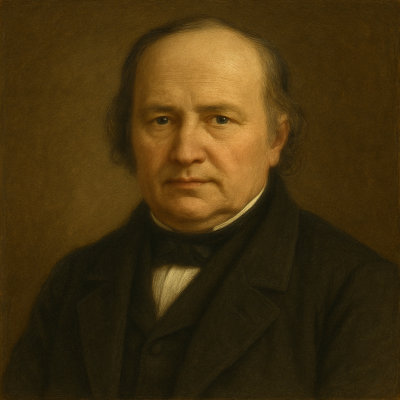
Franz Xaver Gruber
Franz Xaver Gruber (1787–1863) was an Austrian primary school teacher and composer, best known for composing the melody of Silent Night (Stille Nacht) in 1818. The carol became one of the most beloved Christmas songs worldwide, originally performed in a small Austrian church.

460,98 ₺
Ten Little Indians
Ten Little Indians
Anonymous
PlayPause
460,98 ₺
Ten Little Indians is a traditional English counting rhyme whose earliest versions date back to the 19th century. Often used to teach numbers, its simple, repetitive lines count down from ten in a playful, rhythmic fashion.
Ten Little Indians is a traditional English counting rhyme whose earliest versions date back to the 19th century. Often used to teach numbers, its simple, repetitive lines count down from ten in a playful, rhythmic fashion.
Ten Little Indians is a traditional English counting rhyme whose earliest versions date back to the 19th century. Often used to teach numbers, its simple, repetitive lines count down from ten in a playful, rhythmic fashion.
Anonymous
“Anonymous” refers to creators whose names are unknown or not recorded. Many traditional folk songs, stories, and melodies have anonymous origins, passed down orally through generations. These works often reflect cultural values and collective memory rather than individual authorship.
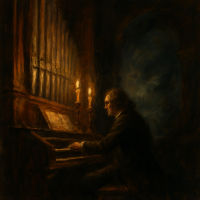
427,28 ₺
Toccata and Fugue in D minor
Toccata and Fugue in D minor
Johann Sebastian Bach
PlayPause
427,28 ₺
Toccata and Fugue in D minor, BWV 565, is one of Johann Sebastian Bach’s most famous organ works, likely composed in the early 1700s. Its dramatic toccata opening and intricate fugue showcase Bach’s mastery of form, creating a powerful, reverberant texture.
Toccata and Fugue in D minor, BWV 565, is one of Johann Sebastian Bach’s most famous organ works, likely composed in the early 1700s. Its dramatic toccata opening and intricate fugue showcase Bach’s mastery of form, creating a powerful, reverberant texture.
Toccata and Fugue in D minor, BWV 565, is one of Johann Sebastian Bach’s most famous organ works, likely composed in the early 1700s. Its dramatic toccata opening and intricate fugue showcase Bach’s mastery of form, creating a powerful, reverberant texture.
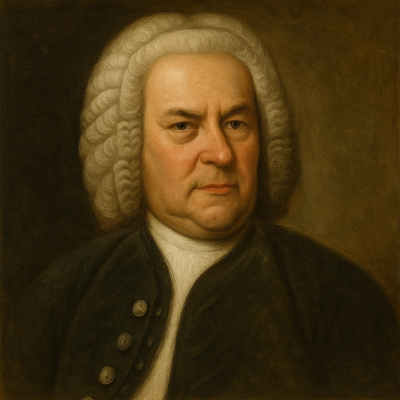
Johann Sebastian Bach
Johann Sebastian Bach (1685–1750) was a German Baroque composer and organist, revered for his mastery of counterpoint and structure. His most iconic works include Brandenburg Concertos, The Well-Tempered Clavier, and Mass in B minor. He deeply influenced Western classical music.
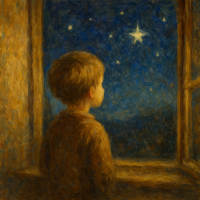
1.023,32 ₺
Twinkle Twinkle Little Star
Twinkle Twinkle Little Star
Jane Taylor
PlayPause
1.023,32 ₺
Twinkle Twinkle Little Star is a timeless English lullaby first published in 1806, with lyrics by Jane Taylor. Its simple, repetitive melody and rhyme scheme evoke the gentle wonder of a glowing star in the night sky, celebrating childhood innocence and curiosity.
Twinkle Twinkle Little Star is a timeless English lullaby first published in 1806, with lyrics by Jane Taylor. Its simple, repetitive melody and rhyme scheme evoke the gentle wonder of a glowing star in the night sky, celebrating childhood innocence and curiosity.
Twinkle Twinkle Little Star is a timeless English lullaby first published in 1806, with lyrics by Jane Taylor. Its simple, repetitive melody and rhyme scheme evoke the gentle wonder of a glowing star in the night sky, celebrating childhood innocence and curiosity.
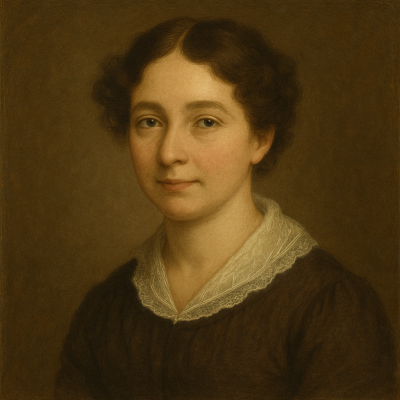
Jane Taylor
Jane Taylor (1783–1824) was an English poet and writer, best known for writing the lyrics to Twinkle, Twinkle, Little Star in 1806. The poem, originally titled The Star, became world-famous after being set to a French folk melody. She often collaborated with her sister Ann Taylor.
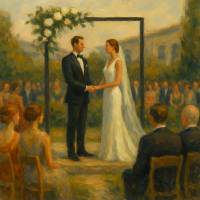
449,75 – 824,38 ₺
Wedding March (Mendelssohn)
Wedding March (Mendelssohn)
Felix Mendelssohn
PlayPause
449,75 – 824,38 ₺
Wedding March, composed by Felix Mendelssohn in 1842, is a jubilant orchestral piece often played at wedding ceremonies. Its stately melody and bright harmonies evoke celebration and joy as a bride and groom embark on their new journey together.
Wedding March, composed by Felix Mendelssohn in 1842, is a jubilant orchestral piece often played at wedding ceremonies. Its stately melody and bright harmonies evoke celebration and joy as a bride and groom embark on their new journey together.
Wedding March, composed by Felix Mendelssohn in 1842, is a jubilant orchestral piece often played at wedding ceremonies. Its stately melody and bright harmonies evoke celebration and joy as a bride and groom embark on their new journey together.
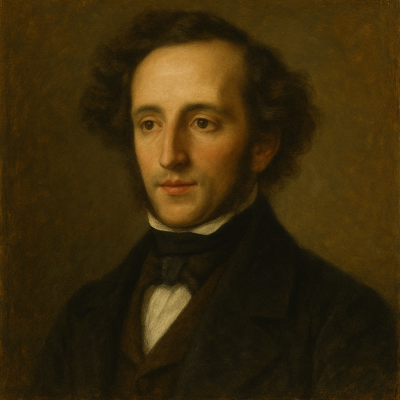
Felix Mendelssohn
Felix Mendelssohn (1809–1847) was a German composer, conductor, and pianist of the Romantic era. Known for works like Wedding March (from A Midsummer Night’s Dream), Songs Without Words, and Violin Concerto in E minor, he blended clarity with lyricism in his music.
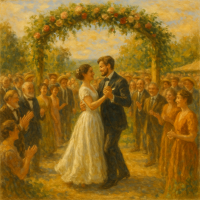
449,75 ₺
Wedding March (Wagner)
Wedding March (Wagner)
Richard Wagner
PlayPause
449,75 ₺
Wagner’s Wedding March, from his opera Lohengrin (1850), is a majestic orchestral piece celebrating matrimonial union. Its noble themes and sweeping crescendos evoke triumph and joy as the newlyweds embark on their shared life journey.
Wagner’s Wedding March, from his opera Lohengrin (1850), is a majestic orchestral piece celebrating matrimonial union. Its noble themes and sweeping crescendos evoke triumph and joy as the newlyweds embark on their shared life journey.
Wagner’s Wedding March, from his opera Lohengrin (1850), is a majestic orchestral piece celebrating matrimonial union. Its noble themes and sweeping crescendos evoke triumph and joy as the newlyweds embark on their shared life journey.
Richard Wagner
Richard Wagner (1813–1883) was a German composer, conductor, and theatre director known for his revolutionary operas. His epic works like The Ring Cycle and Tristan and Isolde transformed opera with rich harmonies and leitmotifs. He built the Bayreuth Festspielhaus for his music.

Döner Ayak Kurma Kolu - Gümüş Rengi
Döner Ayak Kurma Kolu - Gümüş Rengi

Rotating Base Music Mechanism
Rotating Base Music Mechanism
Rotates in place while playing a melody. Ideal for turning figures or platforms. Operates with an 18-note spring mechanism. Adds visual charm to the performance.
Rotates in place while playing a melody. Ideal for turning figures or platforms. Operates with an 18-note spring mechanism. Adds visual charm to the performance.
Rotates in place while playing a melody. Ideal for turning figures or platforms. Operates with an 18-note spring mechanism. Adds visual charm to the performance.