427,28 ₺
Kalinka
Kalinka
Ivan Larionov
PlayPause
★
427,28 ₺
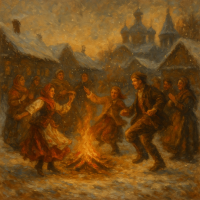
Kalinka is a lively Russian folk song composed by Ivan Larionov in 1860. Its upbeat tempo and catchy refrain celebrate the snowberry (“kalinka”) and the joy of summer, inspiring dancers and listeners alike with its playful melody and spirited rhythm.
Kalinka is a lively Russian folk song composed by Ivan Larionov in 1860. Its upbeat tempo and catchy refrain celebrate the snowberry (“kalinka”) and the joy of summer, inspiring dancers and listeners alike with its playful melody and spirited rhythm.
Kalinka is a lively Russian folk song composed by Ivan Larionov in 1860. Its upbeat tempo and catchy refrain celebrate the snowberry (“kalinka”) and the joy of summer, inspiring dancers and listeners alike with its playful melody and spirited rhythm.
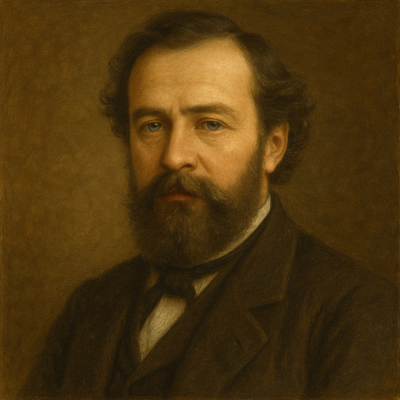
Ivan Larionov
Ivan Larionov (1830–1889) was a Russian composer, folklorist, and writer best known for composing the famous folk-style song Kalinka in 1860. Though a trained nobleman and writer, his legacy lives on mainly through this globally recognized and energetic Russian melody.

427,28 ₺
Auld Lang Syne
Auld Lang Syne
Robert Burns
PlayPause
427,28 ₺
Auld Lang Syne is a traditional Scottish poem by Robert Burns (1788) set to music. It celebrates old friendships and memories as the new year begins, inviting everyone to reflect on and cherish shared times past and present.
Auld Lang Syne is a traditional Scottish poem by Robert Burns (1788) set to music. It celebrates old friendships and memories as the new year begins, inviting everyone to reflect on and cherish shared times past and present.
Auld Lang Syne is a traditional Scottish poem by Robert Burns (1788) set to music. It celebrates old friendships and memories as the new year begins, inviting everyone to reflect on and cherish shared times past and present.
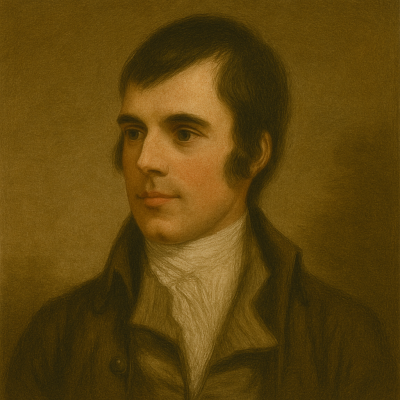
Robert Burns
Robert Burns (1759–1796) was a Scottish poet and lyricist, widely regarded as the national poet of Scotland. He is best known for writing Auld Lang Syne, traditionally sung at New Year. His works in Scots and English celebrate rural life, love, and political commentary.
460,98 ₺
Brahms Lullaby
Brahms Lullaby
Johannes Brahms
PlayPause
460,98 ₺
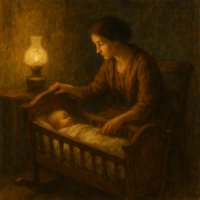
Brahms Lullaby (Wiegenlied: Guten Abend, gute Nacht) is an 1868 composition by Johannes Brahms. Its tender melody and tranquil harmonies create a soothing lullaby that has comforted infants for generations, embodying warmth and serenity in its gentle rocking rhythm.
Brahms Lullaby (Wiegenlied: Guten Abend, gute Nacht) is an 1868 composition by Johannes Brahms. Its tender melody and tranquil harmonies create a soothing lullaby that has comforted infants for generations, embodying warmth and serenity in its gentle rocking rhythm.
Brahms Lullaby (Wiegenlied: Guten Abend, gute Nacht) is an 1868 composition by Johannes Brahms. Its tender melody and tranquil harmonies create a soothing lullaby that has comforted infants for generations, embodying warmth and serenity in its gentle rocking rhythm.
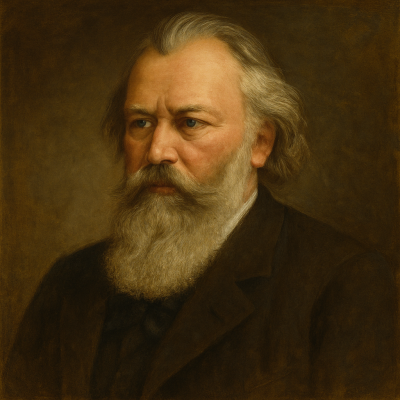
Johannes Brahms
Johannes Brahms (1833–1897) was a German composer and pianist of the Romantic era. He is known for his Hungarian Dances, A German Requiem, and Symphony No. 1. Blending classical structure with deep emotion, he is considered one of the “Three Bs” alongside Bach and Beethoven.
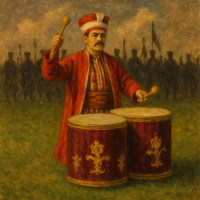
427,28 – 824,38 ₺
Ceddin Deden (Mehter Marşı)
Ceddin Deden (Mehter Marşı)
Anonymous
PlayPause
427,28 – 824,38 ₺
Ceddin Deden is a classic Ottoman military march (mehter marşı) dating from the 18th century. Its commanding drums and iconic zurna melodies evoke imperial grandeur, rallying soldiers and preserving Turkey’s martial heritage in ceremonies, festivals, and cultural performances. Unlike wider-form mehter pieces, its concise structure, prominent zurna crescendos and driving davul beats sharply evoke imperial might and ceremonial zeal.
Ceddin Deden is a classic Ottoman military march (mehter marşı) dating from the 18th century. Its commanding drums and iconic zurna melodies evoke imperial grandeur, rallying soldiers and preserving Turkey’s martial heritage in ceremonies, festivals, and cultural performances. Unlike wider-form mehter pieces, its concise structure, prominent zurna crescendos and driving davul beats sharply evoke imperial might and ceremonial zeal.
Ceddin Deden is a classic Ottoman military march (mehter marşı) dating from the 18th century. Its commanding drums and iconic zurna melodies evoke imperial grandeur, rallying soldiers and preserving Turkey’s martial heritage in ceremonies, festivals, and cultural performances. Unlike wider-form mehter pieces, its concise structure, prominent zurna crescendos and driving davul beats sharply evoke imperial might and ceremonial zeal.
Anonymous
“Anonymous” refers to creators whose names are unknown or not recorded. Many traditional folk songs, stories, and melodies have anonymous origins, passed down orally through generations. These works often reflect cultural values and collective memory rather than individual authorship.
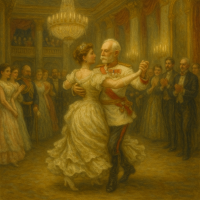
427,28 ₺
Emperor Waltz
Emperor Waltz
Johann Strauss II
PlayPause
427,28 ₺
Emperor Waltz, composed by Johann Strauss II in 1889, is a grand orchestral waltz honoring Emperor Franz Joseph I. Its elegant, sweeping melodies and noble character reflect imperial pageantry, making it a quintessential example of Viennese waltz repertoire.
Emperor Waltz, composed by Johann Strauss II in 1889, is a grand orchestral waltz honoring Emperor Franz Joseph I. Its elegant, sweeping melodies and noble character reflect imperial pageantry, making it a quintessential example of Viennese waltz repertoire.
Emperor Waltz, composed by Johann Strauss II in 1889, is a grand orchestral waltz honoring Emperor Franz Joseph I. Its elegant, sweeping melodies and noble character reflect imperial pageantry, making it a quintessential example of Viennese waltz repertoire.
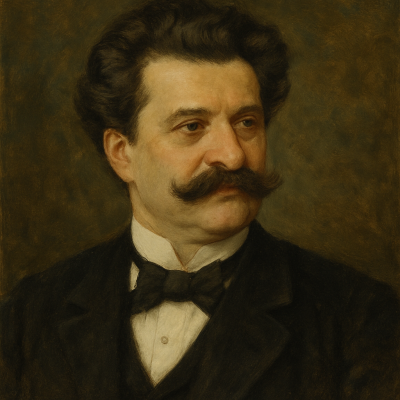
Johann Strauss II
Johann Strauss II (1825–1899), known as the "Waltz King", was an Austrian composer famous for his dance music, especially waltzes. His most iconic piece is The Blue Danube. He helped popularize the Viennese waltz and composed over 500 works including operettas and polkas.
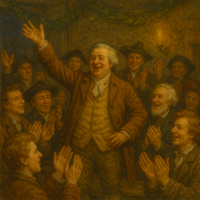
427,28 ₺
For He’s a Jolly Good Fellow
For He’s a Jolly Good Fellow
Anonymous
PlayPause
427,28 ₺
For He’s a Jolly Good Fellow is a traditional celebratory song of British origin dating to the 19th century. Its cheerful melody and simple chorus have made it a universal anthem for honoring individuals on birthdays, retirements, and special achievements.
For He’s a Jolly Good Fellow is a traditional celebratory song of British origin dating to the 19th century. Its cheerful melody and simple chorus have made it a universal anthem for honoring individuals on birthdays, retirements, and special achievements.
For He’s a Jolly Good Fellow is a traditional celebratory song of British origin dating to the 19th century. Its cheerful melody and simple chorus have made it a universal anthem for honoring individuals on birthdays, retirements, and special achievements.
Anonymous
“Anonymous” refers to creators whose names are unknown or not recorded. Many traditional folk songs, stories, and melodies have anonymous origins, passed down orally through generations. These works often reflect cultural values and collective memory rather than individual authorship.
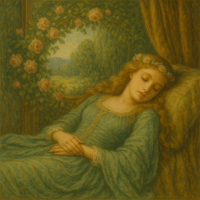
460,98 ₺
Garland Waltz (Sleeping Beauty)
Garland Waltz (Sleeping Beauty)
Pyotr Ilyich Tchaikovsky
PlayPause
460,98 ₺
Garland Waltz is an enchanting orchestral piece from Pyotr Ilyich Tchaikovsky’s 1889 ballet The Sleeping Beauty. Featured in the third act, its lush harmonies and graceful melodies evoke a royal celebration adorned with floral garlands.
Garland Waltz is an enchanting orchestral piece from Pyotr Ilyich Tchaikovsky’s 1889 ballet The Sleeping Beauty. Featured in the third act, its lush harmonies and graceful melodies evoke a royal celebration adorned with floral garlands.
Garland Waltz is an enchanting orchestral piece from Pyotr Ilyich Tchaikovsky’s 1889 ballet The Sleeping Beauty. Featured in the third act, its lush harmonies and graceful melodies evoke a royal celebration adorned with floral garlands.
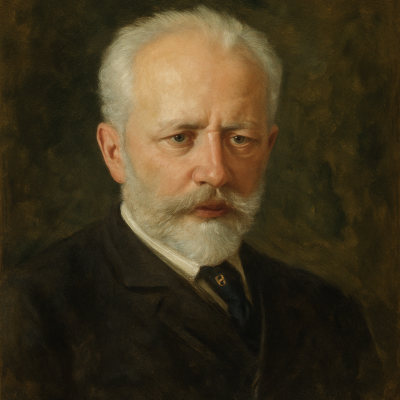
Pyotr Ilyich Tchaikovsky
Pyotr Ilyich Tchaikovsky (1840–1893) was a Russian composer of the Romantic period, known for his emotionally expressive music. His famous works include Swan Lake, The Nutcracker, 1812 Overture, and Symphony No. 6. He combined Western forms with Russian melodies and is widely celebrated worldwide.
427,28 ₺
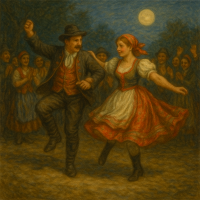
Hungarian Dance No.5
Hungarian Dance No.5
Johannes Brahms
PlayPause
427,28 ₺
Hungarian Dance No.5 is the most popular of Johannes Brahms’s set of 21 piano pieces based on Hungarian folk melodies, composed in 1869 and later orchestrated. Its spirited tempo, rhythmic vitality, and folk-inspired themes capture the essence of Hungarian dance traditions.
Hungarian Dance No.5 is the most popular of Johannes Brahms’s set of 21 piano pieces based on Hungarian folk melodies, composed in 1869 and later orchestrated. Its spirited tempo, rhythmic vitality, and folk-inspired themes capture the essence of Hungarian dance traditions.
Hungarian Dance No.5 is the most popular of Johannes Brahms’s set of 21 piano pieces based on Hungarian folk melodies, composed in 1869 and later orchestrated. Its spirited tempo, rhythmic vitality, and folk-inspired themes capture the essence of Hungarian dance traditions.
Johannes Brahms
Johannes Brahms (1833–1897) was a German composer and pianist of the Romantic era. He is known for his Hungarian Dances, A German Requiem, and Symphony No. 1. Blending classical structure with deep emotion, he is considered one of the “Three Bs” alongside Bach and Beethoven.
460,98 ₺
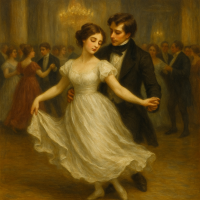
Invitation to the Dance
Invitation to the Dance
Carl Maria von Weber
PlayPause
460,98 ₺
Invitation to the Dance is a solo piano piece composed by Carl Maria von Weber in 1819, later orchestrated by Hector Berlioz. It mimics a ballroom scene where a tired dancer invites his partner, featuring elegant waltz rhythms and expressive phrasing.
Invitation to the Dance is a solo piano piece composed by Carl Maria von Weber in 1819, later orchestrated by Hector Berlioz. It mimics a ballroom scene where a tired dancer invites his partner, featuring elegant waltz rhythms and expressive phrasing.
Invitation to the Dance is a solo piano piece composed by Carl Maria von Weber in 1819, later orchestrated by Hector Berlioz. It mimics a ballroom scene where a tired dancer invites his partner, featuring elegant waltz rhythms and expressive phrasing.
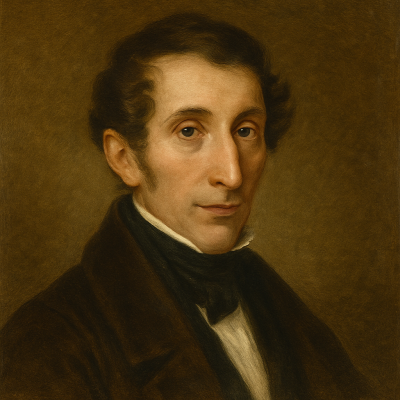
Carl Maria von Weber
Carl Maria von Weber (1786–1826) was a German composer and conductor, regarded as a pioneer of German Romantic opera. His best-known work is Der Freischütz, which blended folklore, drama, and orchestral color. He influenced later composers like Wagner and Berlioz.
427,28 ₺
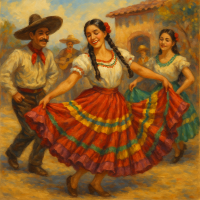
La Cucaracha
La Cucaracha
Anonymous
PlayPause
427,28 ₺
La Cucaracha is a traditional Mexican folk song with uncertain origins, popularized during the Mexican Revolution (1910–1920). Its catchy, repetitive melody and witty lyrics about a cockroach’s misadventures have made it an enduring symbol of Mexican musical culture.
La Cucaracha is a traditional Mexican folk song with uncertain origins, popularized during the Mexican Revolution (1910–1920). Its catchy, repetitive melody and witty lyrics about a cockroach’s misadventures have made it an enduring symbol of Mexican musical culture.
La Cucaracha is a traditional Mexican folk song with uncertain origins, popularized during the Mexican Revolution (1910–1920). Its catchy, repetitive melody and witty lyrics about a cockroach’s misadventures have made it an enduring symbol of Mexican musical culture.
Anonymous
“Anonymous” refers to creators whose names are unknown or not recorded. Many traditional folk songs, stories, and melodies have anonymous origins, passed down orally through generations. These works often reflect cultural values and collective memory rather than individual authorship.
460,98 ₺
London Bridge
London Bridge
Anonymous
PlayPause
460,98 ₺
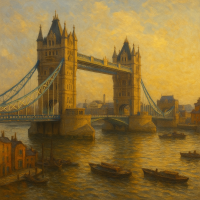
London Bridge is a traditional English nursery rhyme and singing game dating back to the 18th century. Its catchy, repetitive melody and simple lyrics have made it a staple of children’s music and playground play worldwide.
London Bridge is a traditional English nursery rhyme and singing game dating back to the 18th century. Its catchy, repetitive melody and simple lyrics have made it a staple of children’s music and playground play worldwide.
London Bridge is a traditional English nursery rhyme and singing game dating back to the 18th century. Its catchy, repetitive melody and simple lyrics have made it a staple of children’s music and playground play worldwide.
Anonymous
“Anonymous” refers to creators whose names are unknown or not recorded. Many traditional folk songs, stories, and melodies have anonymous origins, passed down orally through generations. These works often reflect cultural values and collective memory rather than individual authorship.
1.023,32 ₺
Ode to Joy
Ode to Joy
Ludwig van Beethoven
PlayPause
1.023,32 ₺
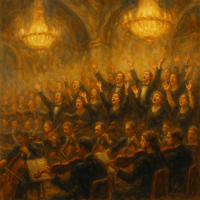
Ode to Joy is the choral finale of Beethoven’s Ninth Symphony (1824). Its triumphant melody celebrates unity, freedom, and the brotherhood of humanity, inspiring hope and joy through uplifting harmonies and stirring orchestration.
Ode to Joy is the choral finale of Beethoven’s Ninth Symphony (1824). Its triumphant melody celebrates unity, freedom, and the brotherhood of humanity, inspiring hope and joy through uplifting harmonies and stirring orchestration.
Ode to Joy is the choral finale of Beethoven’s Ninth Symphony (1824). Its triumphant melody celebrates unity, freedom, and the brotherhood of humanity, inspiring hope and joy through uplifting harmonies and stirring orchestration.
Ludwig van Beethoven
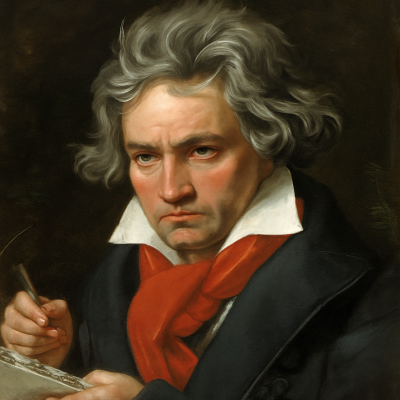
Ludwig van Beethoven (1770–1827), Klasik ve Romantik dönem arasında köprü kuran Alman besteci ve piyanisttir. Sağırlığına rağmen 9. Senfoni (Symphony No. 9), Ay Işığı Sonatı (Moonlight Sonata) ve Für Elise gibi ölümsüz eserler üretmiştir. Müzik tarihinin en etkili isimlerindendir.

1.023,32 ₺
Old MacDonald Had a Farm
Old MacDonald Had a Farm
Anonymous
PlayPause
1.023,32 ₺
Old MacDonald Had a Farm is a classic American children’s song first published in 1917. Its playful melody and interactive lyrics introduce animal sounds with the famous refrain “E-I-E-I-O,” making it a favorite educational tune for young learners.
Old MacDonald Had a Farm is a classic American children’s song first published in 1917. Its playful melody and interactive lyrics introduce animal sounds with the famous refrain “E-I-E-I-O,” making it a favorite educational tune for young learners.
Old MacDonald Had a Farm is a classic American children’s song first published in 1917. Its playful melody and interactive lyrics introduce animal sounds with the famous refrain “E-I-E-I-O,” making it a favorite educational tune for young learners.
Anonymous
“Anonymous” refers to creators whose names are unknown or not recorded. Many traditional folk songs, stories, and melodies have anonymous origins, passed down orally through generations. These works often reflect cultural values and collective memory rather than individual authorship.
460,98 ₺
Pomp and Circumstance
Pomp and Circumstance
Edward Elgar
PlayPause
460,98 ₺
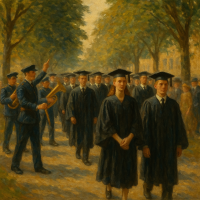
Pomp and Circumstance March No.1 is a stately orchestral march composed by Edward Elgar in 1901. Its grand, ceremonial theme has become synonymous with graduation ceremonies around the world, often paired with regal brass fanfares.
Pomp and Circumstance March No.1 is a stately orchestral march composed by Edward Elgar in 1901. Its grand, ceremonial theme has become synonymous with graduation ceremonies around the world, often paired with regal brass fanfares.
Pomp and Circumstance March No.1 is a stately orchestral march composed by Edward Elgar in 1901. Its grand, ceremonial theme has become synonymous with graduation ceremonies around the world, often paired with regal brass fanfares.
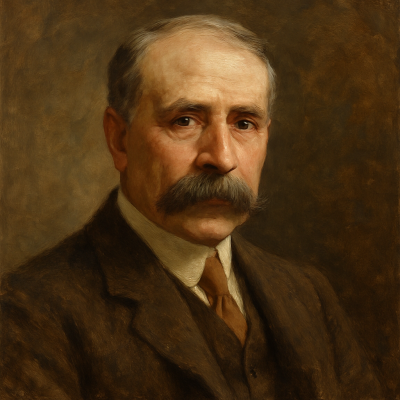
Edward Elgar
Edward Elgar (1857–1934) was an English composer of the late Romantic era, known for his noble and emotional music. His most famous works include Enigma Variations and Pomp and Circumstance Marches. He became a symbol of British musical identity in the early 20th century.
460,98 – 1.020,00 ₺
Por una cabeza
Por una cabeza
Carlos Gardel
PlayPause
460,98 – 1.020,00 ₺
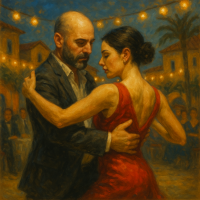
Por una cabeza is a passionate Argentine tango composed by Carlos Gardel with lyrics by Alfredo Le Pera, first published in 1935. Its evocative melody likens the thrill of horse racing to the pains of lost love, becoming a tango standard worldwide.
Por una cabeza is a passionate Argentine tango composed by Carlos Gardel with lyrics by Alfredo Le Pera, first published in 1935. Its evocative melody likens the thrill of horse racing to the pains of lost love, becoming a tango standard worldwide.
Por una cabeza is a passionate Argentine tango composed by Carlos Gardel with lyrics by Alfredo Le Pera, first published in 1935. Its evocative melody likens the thrill of horse racing to the pains of lost love, becoming a tango standard worldwide.
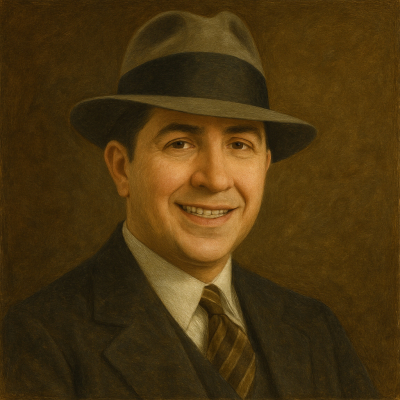
Carlos Gardel
Carlos Gardel (1890–1935) was a French-born Argentine singer, composer, and actor, widely regarded as the most prominent figure in the history of tango. With a smooth baritone voice, he popularized songs like El día que me quieras and Mi Buenos Aires querido. He remains a cultural icon in Latin America.
427,28 ₺
Ride of the Valkyries
Ride of the Valkyries
Richard Wagner
PlayPause
427,28 ₺
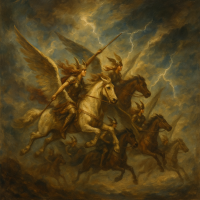
Ride of the Valkyries is the stirring prelude to Act III of Richard Wagner’s 1856 opera Die Walküre. Its bold brass fanfares and sweeping orchestration depict the Valkyries’ triumphant flight, embodying epic power and mythical grandeur.
Ride of the Valkyries is the stirring prelude to Act III of Richard Wagner’s 1856 opera Die Walküre. Its bold brass fanfares and sweeping orchestration depict the Valkyries’ triumphant flight, embodying epic power and mythical grandeur.
Ride of the Valkyries is the stirring prelude to Act III of Richard Wagner’s 1856 opera Die Walküre. Its bold brass fanfares and sweeping orchestration depict the Valkyries’ triumphant flight, embodying epic power and mythical grandeur.
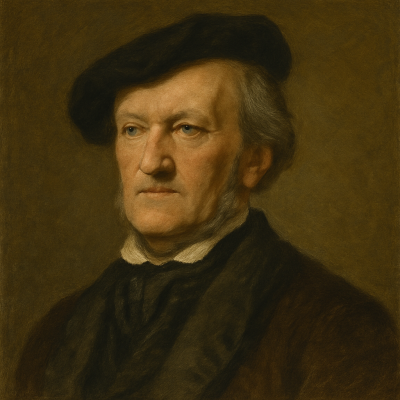
Richard Wagner
Richard Wagner (1813–1883) was a German composer, conductor, and theatre director known for his revolutionary operas. His epic works like The Ring Cycle and Tristan and Isolde transformed opera with rich harmonies and leitmotifs. He built the Bayreuth Festspielhaus for his music.
427,28 ₺
Silent Night
Silent Night
Franz Xaver Gruber
PlayPause
427,28 ₺
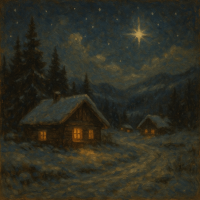
Silent Night is a revered Christmas carol composed in 1818 by Franz Xaver Gruber to lyrics by Joseph Mohr. Its gentle melody and soothing harmony evoke a peaceful, holy night, fostering reflection and warmth during the holiday season.
Silent Night is a revered Christmas carol composed in 1818 by Franz Xaver Gruber to lyrics by Joseph Mohr. Its gentle melody and soothing harmony evoke a peaceful, holy night, fostering reflection and warmth during the holiday season.
Silent Night is a revered Christmas carol composed in 1818 by Franz Xaver Gruber to lyrics by Joseph Mohr. Its gentle melody and soothing harmony evoke a peaceful, holy night, fostering reflection and warmth during the holiday season.
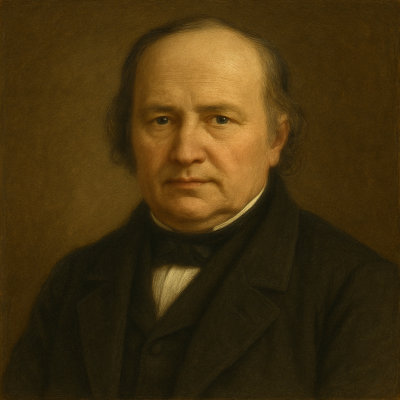
Franz Xaver Gruber
Franz Xaver Gruber (1787–1863) was an Austrian primary school teacher and composer, best known for composing the melody of Silent Night (Stille Nacht) in 1818. The carol became one of the most beloved Christmas songs worldwide, originally performed in a small Austrian church.

460,98 ₺
Ten Little Indians
Ten Little Indians
Anonymous
PlayPause
460,98 ₺
Ten Little Indians is a traditional English counting rhyme whose earliest versions date back to the 19th century. Often used to teach numbers, its simple, repetitive lines count down from ten in a playful, rhythmic fashion.
Ten Little Indians is a traditional English counting rhyme whose earliest versions date back to the 19th century. Often used to teach numbers, its simple, repetitive lines count down from ten in a playful, rhythmic fashion.
Ten Little Indians is a traditional English counting rhyme whose earliest versions date back to the 19th century. Often used to teach numbers, its simple, repetitive lines count down from ten in a playful, rhythmic fashion.
Anonymous
“Anonymous” refers to creators whose names are unknown or not recorded. Many traditional folk songs, stories, and melodies have anonymous origins, passed down orally through generations. These works often reflect cultural values and collective memory rather than individual authorship.
427,28 ₺
Toccata and Fugue in D minor
Toccata and Fugue in D minor
Johann Sebastian Bach
PlayPause
427,28 ₺
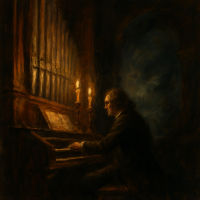
Toccata and Fugue in D minor, BWV 565, is one of Johann Sebastian Bach’s most famous organ works, likely composed in the early 1700s. Its dramatic toccata opening and intricate fugue showcase Bach’s mastery of form, creating a powerful, reverberant texture.
Toccata and Fugue in D minor, BWV 565, is one of Johann Sebastian Bach’s most famous organ works, likely composed in the early 1700s. Its dramatic toccata opening and intricate fugue showcase Bach’s mastery of form, creating a powerful, reverberant texture.
Toccata and Fugue in D minor, BWV 565, is one of Johann Sebastian Bach’s most famous organ works, likely composed in the early 1700s. Its dramatic toccata opening and intricate fugue showcase Bach’s mastery of form, creating a powerful, reverberant texture.
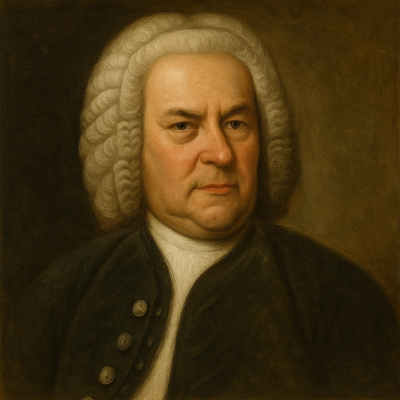
Johann Sebastian Bach
Johann Sebastian Bach (1685–1750) was a German Baroque composer and organist, revered for his mastery of counterpoint and structure. His most iconic works include Brandenburg Concertos, The Well-Tempered Clavier, and Mass in B minor. He deeply influenced Western classical music.
427,28 – 780,00 ₺
Turkish March (Mozart)
Turkish March (Mozart)
Wolfgang Amadeus Mozart
PlayPause
427,28 – 780,00 ₺
Turkish March, formally Rondo Alla Turca, is a lively piano rondo by Wolfgang Amadeus Mozart, composed around 1783 as the third movement of his Piano Sonata No.11. Its upbeat melody and percussive rhythms mimic Janissary music, embodying the era’s Ottoman fascination.
Turkish March, formally Rondo Alla Turca, is a lively piano rondo by Wolfgang Amadeus Mozart, composed around 1783 as the third movement of his Piano Sonata No.11. Its upbeat melody and percussive rhythms mimic Janissary music, embodying the era’s Ottoman fascination.
Turkish March, formally Rondo Alla Turca, is a lively piano rondo by Wolfgang Amadeus Mozart, composed around 1783 as the third movement of his Piano Sonata No.11. Its upbeat melody and percussive rhythms mimic Janissary music, embodying the era’s Ottoman fascination.
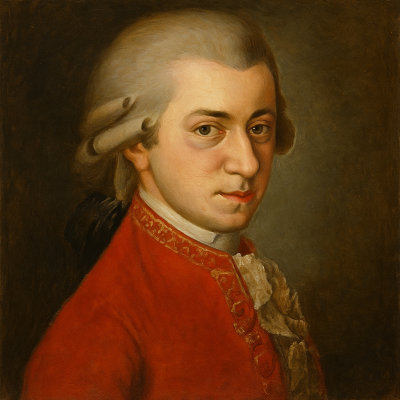
Wolfgang Amadeus Mozart
Wolfgang Amadeus Mozart (1756–1791) was an Austrian composer and a prolific genius of the Classical era. He wrote over 600 works including The Magic Flute, Requiem, Eine kleine Nachtmusik (A Little Night Music), and Don Giovanni, blending clarity, form, and emotion.
1.023,32 ₺
Twinkle Twinkle Little Star
Twinkle Twinkle Little Star
Jane Taylor
PlayPause
1.023,32 ₺
Twinkle Twinkle Little Star is a timeless English lullaby first published in 1806, with lyrics by Jane Taylor. Its simple, repetitive melody and rhyme scheme evoke the gentle wonder of a glowing star in the night sky, celebrating childhood innocence and curiosity.
Twinkle Twinkle Little Star is a timeless English lullaby first published in 1806, with lyrics by Jane Taylor. Its simple, repetitive melody and rhyme scheme evoke the gentle wonder of a glowing star in the night sky, celebrating childhood innocence and curiosity.
Twinkle Twinkle Little Star is a timeless English lullaby first published in 1806, with lyrics by Jane Taylor. Its simple, repetitive melody and rhyme scheme evoke the gentle wonder of a glowing star in the night sky, celebrating childhood innocence and curiosity.
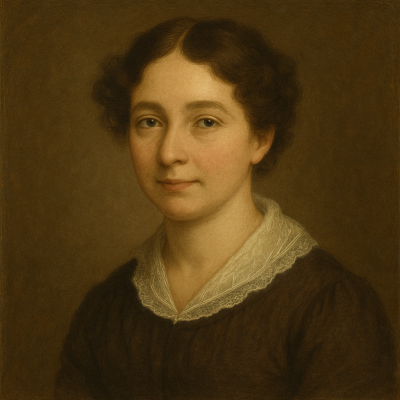
Jane Taylor
Jane Taylor (1783–1824) was an English poet and writer, best known for writing the lyrics to Twinkle, Twinkle, Little Star in 1806. The poem, originally titled The Star, became world-famous after being set to a French folk melody. She often collaborated with her sister Ann Taylor.
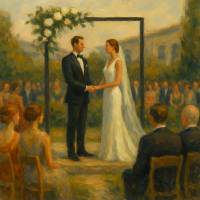
449,75 – 824,38 ₺
Wedding March (Mendelssohn)
Wedding March (Mendelssohn)
Felix Mendelssohn
PlayPause
449,75 – 824,38 ₺
Wedding March, composed by Felix Mendelssohn in 1842, is a jubilant orchestral piece often played at wedding ceremonies. Its stately melody and bright harmonies evoke celebration and joy as a bride and groom embark on their new journey together.
Wedding March, composed by Felix Mendelssohn in 1842, is a jubilant orchestral piece often played at wedding ceremonies. Its stately melody and bright harmonies evoke celebration and joy as a bride and groom embark on their new journey together.
Wedding March, composed by Felix Mendelssohn in 1842, is a jubilant orchestral piece often played at wedding ceremonies. Its stately melody and bright harmonies evoke celebration and joy as a bride and groom embark on their new journey together.
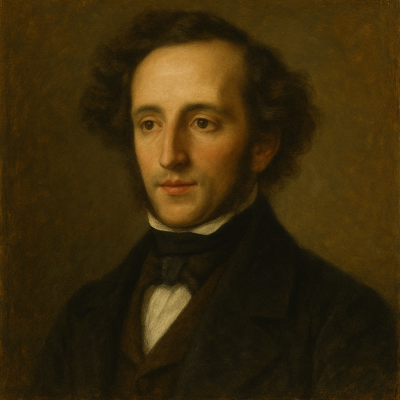
Felix Mendelssohn
Felix Mendelssohn (1809–1847) was a German composer, conductor, and pianist of the Romantic era. Known for works like Wedding March (from A Midsummer Night’s Dream), Songs Without Words, and Violin Concerto in E minor, he blended clarity with lyricism in his music.
449,75 ₺
Wedding March (Wagner)
Wedding March (Wagner)
Richard Wagner
PlayPause
449,75 ₺
Wagner’s Wedding March, from his opera Lohengrin (1850), is a majestic orchestral piece celebrating matrimonial union. Its noble themes and sweeping crescendos evoke triumph and joy as the newlyweds embark on their shared life journey.
Wagner’s Wedding March, from his opera Lohengrin (1850), is a majestic orchestral piece celebrating matrimonial union. Its noble themes and sweeping crescendos evoke triumph and joy as the newlyweds embark on their shared life journey.
Wagner’s Wedding March, from his opera Lohengrin (1850), is a majestic orchestral piece celebrating matrimonial union. Its noble themes and sweeping crescendos evoke triumph and joy as the newlyweds embark on their shared life journey.
Richard Wagner
Richard Wagner (1813–1883) was a German composer, conductor, and theatre director known for his revolutionary operas. His epic works like The Ring Cycle and Tristan and Isolde transformed opera with rich harmonies and leitmotifs. He built the Bayreuth Festspielhaus for his music.
427,28 ₺
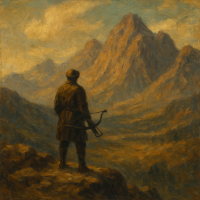
William Tell Overture
William Tell Overture
Gioachino Rossini
PlayPause
427,28 ₺
The William Tell Overture is a four-part orchestral composition by Gioachino Rossini, premiered in 1829. Its triumphant finale, “March of the Swiss Soldiers,” has become iconic through popular culture, evoking galloping energy and heroic spirit.
The William Tell Overture is a four-part orchestral composition by Gioachino Rossini, premiered in 1829. Its triumphant finale, “March of the Swiss Soldiers,” has become iconic through popular culture, evoking galloping energy and heroic spirit.
The William Tell Overture is a four-part orchestral composition by Gioachino Rossini, premiered in 1829. Its triumphant finale, “March of the Swiss Soldiers,” has become iconic through popular culture, evoking galloping energy and heroic spirit.
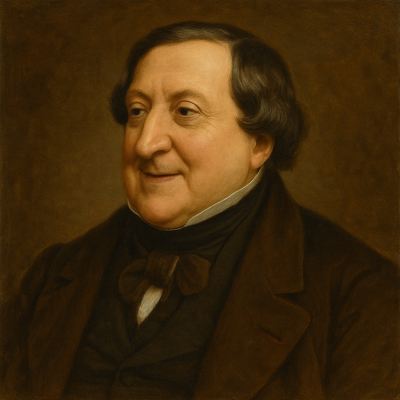
Gioachino Rossini
Gioachino Rossini (1792–1868) was an Italian composer best known for his operas. His most famous works include The Barber of Seville, William Tell, and La Cenerentola. Celebrated for his wit, lively melodies, and dramatic flair, he influenced generations of opera composers.